Real Traveler Requests
Every response is completed by a verified local resident after personally investigating a traveler's request.
Yokohama, Japan
Traveler's Request
Online there's contradicting information about the hassle of getting around Yokohama. Could you explain or offer some suggestions. Any tips on navigating the Yokohama Station? I looked it up, but is it really true I have to carry my trash with me around Yokohama? Could You recommend a nice restaurant for a date night that's not so touristy?
Request Type: Essential Local Insight
Verified Local Resident's Response
One of the most important things to understand when visiting Yokohama is that the main sightseeing areas are actually not located around Yokohama Station itself.
Yokohama Station is mainly a large transportation hub connecting Tokyo in the north with Shonan and the southern coastal areas. Several JR lines, private railway lines, and subway lines all meet here, so it can feel quite complex for first-time visitors. Many travelers become confused because they expect Yokohama Station itself to be part of the sightseeing area, but in reality it is mainly a transfer station. The real sightseeing area of Yokohama begins one stop away at Sakuragicho Station, then continues through Kannai Station and Ishikawacho Station. These three stations cover the main tourist area, often known as the Minato Mirai district. Here you will find the futuristic waterfront skyline, historic buildings connected to the opening of modern Japan, and one of the largest Chinatowns in Japan. If you already know where you want to go, using a bus directly from Yokohama Station is often the simplest option instead of trying to navigate multiple train connections inside the station. This can save time and make your first visit much less stressful.
For a date night, I personally recommend Hungry Tiger at Yokohama Hammerhead. It is located in a shopping complex built on the pier area, and both the indoor seating and terrace area offer beautiful views of Minato Mirai. In the evening, the atmosphere becomes very romantic with the city lights across the waterfront. The food is mainly Western style, so many international visitors can enjoy it comfortably.
Regarding trash, garbage bins have become less common in Japanese train stations mainly for security reasons. At Shinkansen stations and on Shinkansen trains, you can usually dispose of trash easily, but at local stations many trash bins have been removed. Because of this, it is best to assume that you may need to carry your trash with you until you return to your hotel or find a convenience store.
Tokyo, Japan
Traveler's Request
What's a restaurant you'd never tell tourists about? :) Can you give us some tips on getting around Shinjuku Station? I only speak English. Will I be ok conversing with store owners? Would they appreciate it if I try to speak Japanese?
Request Type: Essential Local Insight
Verified Local Resident's Response
If there is one restaurant in Shinjuku that I do not usually recommend to most tourists, it would be Sohonke Komatsuan, located on the 13th floor of a building directly connected to Shinjuku Station.
What makes this place special is that you can actually watch the chefs preparing fresh handmade soba noodles. Soba is a traditional Japanese noodle, but many international visitors have never experienced it in this style before. The interior has a modern Western design, while the food is seasonal Japanese cuisine. Together with the night view of the Shinjuku skyscrapers, it creates a very unique atmosphere that feels both elegant and unexpected.
I especially think it is perfect for a date night or a special evening. The space is not very large, which makes it feel more private and intimate. I also highly recommend enjoying the soba together with Japanese sake.
My biggest advice for getting around Shinjuku Station is not to rely only on maps or station signs. Shinjuku Station is one of the most complex railway stations in the world, with many train lines, many destinations, and an overwhelming amount of information. Even if you have a map, it can still be confusing, and even many Japanese people get lost there.
The fastest and most reliable way is to ask station staff directly. They wear uniforms, so they are easy to find. If you tell them where you want to go, which train line you need, or which building you are trying to reach, they can usually tell you exactly which platform to use and even which departure time to look for. Even if your English is simple, they often help with hand gestures and clear directions. In Shinjuku Station, trying to solve everything by yourself like a maze game is usually not the best idea. Asking station staff first is the smartest option.
If you only speak English, I do not think this will be a major problem when enjoying food, shopping, or sightseeing in Tokyo. In Japan, professional chefs and hospitality staff often communicate through the quality of their food and service itself. Your enjoyment and appreciation will usually be understood even without many words.
And if you make even a small effort to say a few Japanese words, such as "Arigato" or "Konnichiwa", people will almost certainly appreciate it and respond warmly. Japan is becoming increasingly welcoming to international visitors, so please feel comfortable exploring and enjoying the experience.
Guadalajara, Mexico
Traveler's Request
Is there a cantina that's traditional but still welcoming to outsiders? From a local, which street vendors are safe and which ones do locals avoid? Is it safe to walk between Chapultepec and Americana at night?
Request Type: Essential Local Insight
Verified Local Resident's Response
Is there a cantina that's traditional but still welcoming to outsiders? Absolutely!! We have great places like the ones you are searching for!! My very favourite is LA FUENTE, located Downtown, close by the gorgeous TEATRO DEGOLLADO, you would definitely have the vibe of the city around this neighborhood, and the vibe of one of the most traditional cantinas in town.
Other great option is LOS EQUIPALES at BARRIO DE SANTA TERE, this is a traditional place as well, that has been around for decades, it has a unique vibe, make sure you try their signature drink NALGAS ALEGRES ("cheerful buttocks"). This neighbourhood is nice at day time, with many local vendors, and the Mercado where locals get their provisions of fruit, veggies and other items. To go the cantina at night its safe, although i wouldn recommend walking around late at night. you can always get an Uber on your way out.
If you are looking for a cool place, with a very unique feel, a very local menu and you like music, at CANTINA DE LA O, they have a DJ on weekends, their bartenders are well trained on mixology, mezcal and tequila culture, the are very friendly, you can sit by the bar and they can tell you interesting facts and stories about the place, the people who go there. No doubt you will have fun in this place. My personal favourite for sure!
From a local, which street vendors are safe and which ones do locals avoid?
For a foreigner, the risk at a street taco stand is rarely public safety (the taco vendors look out for their customers and their areas incredibly well); the real risk is hygiene and stomach health (the famous 'Montezuma's revenge') and the cultural shock of the stand's logistics. Here are the local recommendations on what to look for and what to avoid:
Súper Tacos Rafa (Ladrón de Guevara): Located on the corner of Severo Díaz and Justo Sierra. It's a stainless-steel street stand with a couple of tables on the sidewalk. They've been serving flank steak (bistec), suadero (confit beef), tongue, and head tacos for over 30 years. The ritual is fascinating: you arrive, ask for a ficha (a numbered ticket), and wait for your turn. For a foreigner, this is great because it eliminates the chaos of having to "yell at the taco vendor." Don Rafa and his wife provide impeccably warm service.
Tacos Juan (Barrio de Santa Tere): If you want them to try the famous Jalisco-style barbacoa tacos (crispy, seared on the griddle, with cheese, and broth/consomé for dipping), the original stand on Clemente Orozco Street is the place to go. Santa Tere is a super traditional neighborhood, full of life, and very safe during the day and afternoon. Watching the sidewalk dynamic there is a real treat, and their food handling is incredibly clean. (You can have tacos at this place and then go to the cantina LOS EQUIPALES, by the same neighbourhood)
AVOID:
Going to places late at night with no customers. Its not a good idea to be adventurous in this field.
Trust those places that have their price list on sight.
Say no to "tacos al vapor" or steamed tacos, your stomach might not be ready for this!!
EXTRA ADVICE:
Vendor will ask "con todo?" (with everything?), this means that he will put some onion and coriander on top of your tacos. All stands have extra vegetables, lime and sauces on display for you to prepare your taco, some are mild, others really spicy, try a drop on your finger first so you don't get surprised.
Is it safe to walk between Chapultepec and Americana at night?
The Americana and Chapultepec area is the nightlife, cultural, and gastronomic hub for both locals and foreigners in Guadalajara. Because of this, it has a constant police presence, private security outside bars, and a lot of foot traffic. You will not face the kind of high-risk violent crime or cartel-related dangers that people unfamiliar with Mexico often worry about.
However, because it is a prime tourist and nightlife zone, it is a hotspot for opportunistic property crime.
The Main Risks (What to look out for)
Phone Snatching ("Motoladrones"): This is the most common incident. Thieves on motorcycles or scooters will spot someone walking near the curb while texting or looking at Google Maps, ride up onto the sidewalk, grab the phone right out of their hand, and speed off.
Pickpocketing: In crowded areas along Chapultepec or inside busy bars, pickpockets operate quietly.
Quiet, Dark Side Streets: While Avenida Chapultepec itself is bright and crowded until 2:00 AM or 3:00 AM, the side streets of Colonia Americana change character quickly. Just two or three blocks away ( streets like Libertad, Lerdo de Tejada, or Marsella), it becomes very dark, heavily shaded by large trees, and completely empty of pedestrian traffic. Walking down these empty streets alone at 1:00 AM makes you a visible target for a quick mugging.
Local Rules for Walking Here at Night
Keep your phone away: Do not walk with your phone in your hand. If you need to check a map or call an Uber, step inside a well-lit convenience store (like an OXXO), a restaurant lobby, or stand with your back against a wall away from the street curb.
Stick to well-lit paths: If you are moving between a bar on Chapultepec and an Airbnb in Americana, try to walk along major, well-lit thoroughfares as much as possible (like Avenida Vallarta, Avenida La Paz, or Calle Libertad where restaurants are still open) rather than cutting through pitch-black residential blocks.
The "2 AM Rule": Walking between 9:00 PM and midnight is completely normal and very active. If it is past 1:30 AM or 2:00 AM and the streets have emptied out, do not risk walking 5 or 6 blocks back to your lodging, even if it feels close. Spend the $3 USD (60 pesos) and take an Uber right to your door.
In short, you don't need to be paranoid, and you will see plenty of locals and expats enjoying the night air. Just maintain basic urban awareness, keep your valuables secure, and use rideshares late at night rather than wandering down dark, empty side streets.
Toronto, Canada
Traveler's Request
We're staying in mid-town Toronto and plan to see some spots downtown by the water. Should I drive or can I rely on the metro? Are there any unspoken rules about using the TTC? Are there subway stations I should avoid with my family? In the different neighborhoods of Toronto can I expect everyone to know English?
Request Type: Essential Local Insight
Verified Local Resident's Response
We're staying in mid-town Toronto and plan to see some spots downtown by the water. Should I drive or can I rely on the metro?
Hi there, welcome to Toronto! You're actually pretty lucky to be staying in mid-town since going anywhere across the city is quite accessible from your location! Now in terms of some spots in downtown by the water, you should definitely check out Harborfront Centre, Queens Quay, and The Portlands. Harborfront Centre is a lakefront recreation centre right at the foot of Lake Ontario. It is always hosting a number of events so you'll be sure to enjoy something while you're there!
Queens Quay is close to Harborfront Centre and is more of a street next to the lake. Here you'll find many different restaurants, stores and throughout the year, different functions taking place. When it comes to The Portlands, it is a lake area that is more east of downtown but still holds a lot of value in terms of restaurants and stores. Now a question many people ask is whether they should drive or take the TTC to these lakefront areas. While parking is available, it is not widely dispersed so you will have to walk from venue to venue. If you're not up for the walk, then you're best bet is to take the TTC as there is a dedicated Lakeshore streetcar that runs throughout the lake area and is quite frequent!
Are there any unspoken rules about using the TTC?
The TTC is quite an easy and accessible form of transit within Toronto. As long as you pay your fare and be mindful of where you seat, travelling through the TTC is a breeze! There are however some unspoken rules and these include taking off your backpack if you're about to enter a packed bus, streetcar or train, using headphones whenever you ride the TTC and giving up your seat especially to pregnant rideers, small kids and elderly folks.
Are there subway stations I should avoid with my family?
Pretty much many of the stations on the TTC are relatively safe any time of the day! The only issue that many people tend to encounter would be with regards to proper facilities such as escalators and elevators. Some of the stations on the TTC are quite old and therefore did not have escalators or elevators when they were originally built. The TTC however has invested millions in upgrading their stations and so more and more stations are now accessible but some still remain very unaccessible and such examples include Chester, Christie and Summerhill stations.
In the different neighborhoods of Toronto can I expect everyone to know English?
Toronto is known as the world's most multicultural city! While English is known everywhere, the real essence comes when people are speaking different languages. However, English does remain the predominant language and many people can speak and understand it. You may come across some old folks who many not speak English fluently but for the most part, everyone in Toronto can speak English to a point that it becomes conversational!
Suva, Fiji
Traveler's Request
Are there areas to shop in Suva that tourists don't know about? Where do the locals shop for food or clothing? I want to hear from a local is Kokoda an acquired taste? Where do you get Kokoda? I see online different places to eat that are good or that locals prefer. Any difference I should expect between a local visited restaurant versus a touristy restaurant? Any recommendations? Should I stick to taxis for getting around or can I use the buses?
Request Type: Essential Local Insight
Verified Local Resident's Response
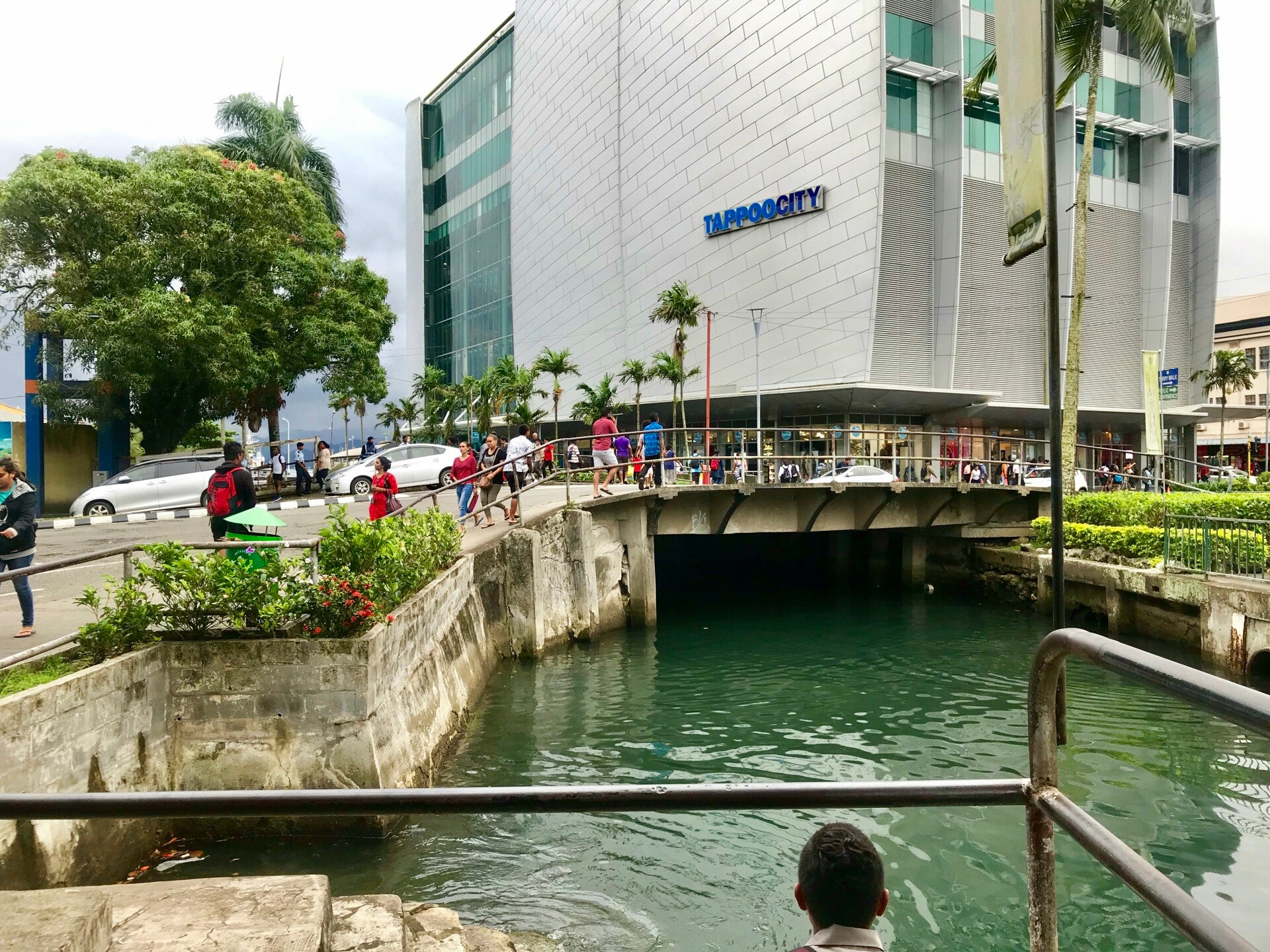
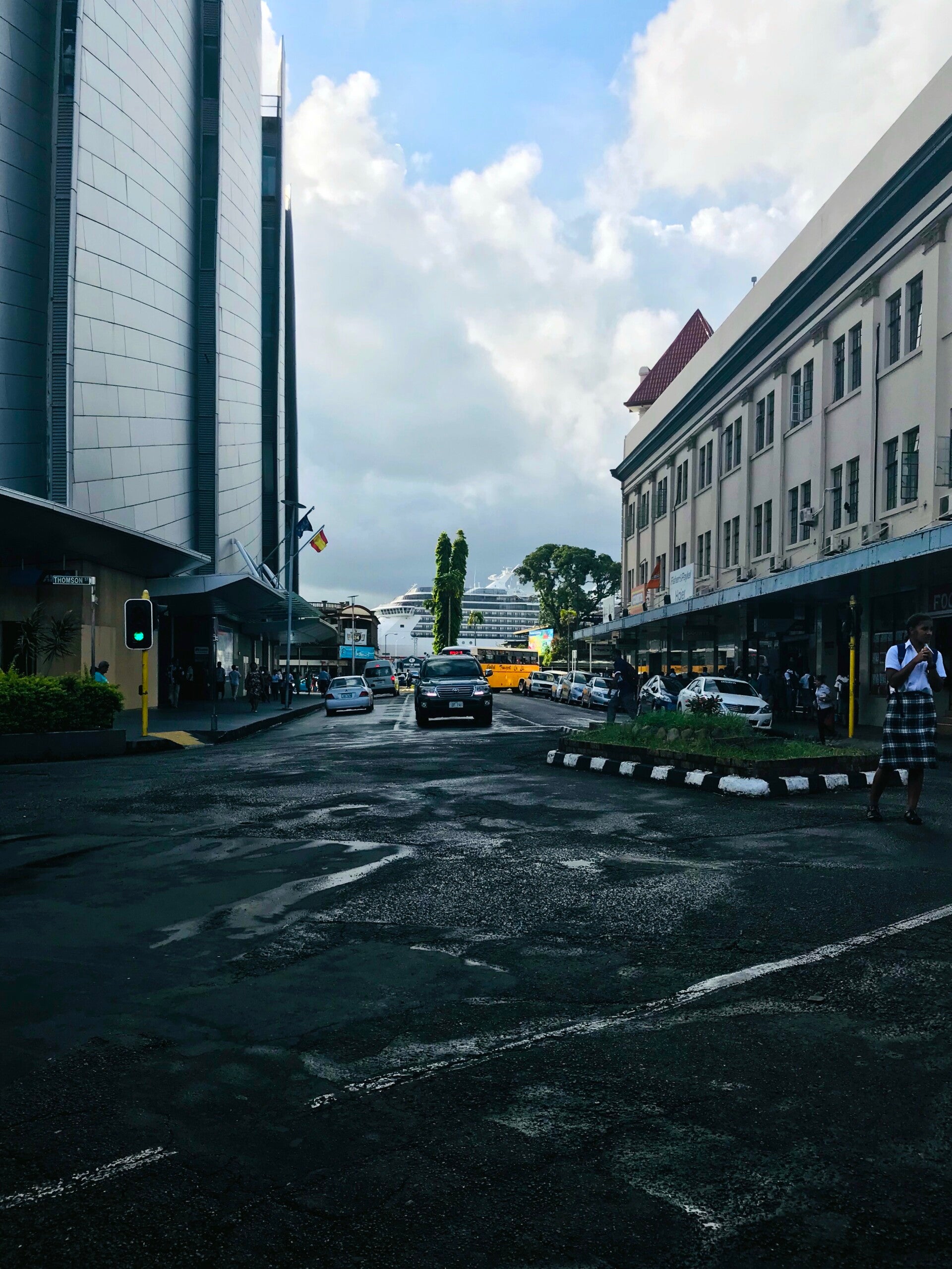
There are a lot of shops in Suva that may interest you. I highly recommend visiting the Suva Flea Market, which is located near the Suva Bus Station. The Suva Flea Market is where you'll find many local market vendors who sell unique clothing and traditional handicrafts like straw mats and island-style shirts and dresses.
The market also sells local delicacies like Kokoda, a seafood dish similar to ceviche. It is reasonably priced around $8-$10 Fijian dollars. It is best eaten with cooked cassava. Other food places that locals frequent in Suva are bakeries like Tea Totoka and Hot Bread Kitchen with their famous soft buns and warm tea and the Harbour Centre has a number of restaurants that serve affordable Indian and Chinese food like Curry and Chowmein. If you are interested in fine dining, Paradiso Restaurant serves a wide range of local dishes as well as Italian food. It is located on Albert Park with a great view of the Fiji parliament building, Grand Pacific Hotel, and the Suva foreshore.
All these above mentioned places are within walking distance. If you'd like to visit outside of Suva, you can either catch a taxi or bus. If you're planning to save some money, traveling by bus would be the best option. It costs around FJ$1.50 from Suva to the nearest town called Nausori.
Cape Town, South Africa
Traveler's Request
Online I read that the “Camps Bay” area isn’t busy with Tourists, I guess because it’s winter season. Can I expect the same touristy things to still be operating or is it going to be “ghost town”? And if it is quieter, is it still just as safe to be out at night? Also, how late is too late? I like a good night life. That’s why I’m thinking I’ll choose this area to stay in but online I read that it may be a little dangerous at night. What’s considered too late to be out for the locals there? Can I pull my phone out in this area, Camps Bay?
Request Type: Essential Local Insight
Verified Local Resident's Response
Hi
Camps Bay is a fantastic place to hang out, whether it's winter or summer.
In summer, the Victoria street comes alive — the beaches are packed with locals and tourists, the cafés are buzzing, and most people end up staying out late and filling the bars and clubs.
Winter has a different vibe. The beaches are quiet because it's cooler, so people usually come for sundowners and then head straight into the nightlife. Dizzy's Café stays open until 04:00, and almost everyone uses a taxi service to get home afterwards.
From my experience, Camps Bay is very safe. I've never heard of any major safety issues. It's a tourist hotspot, so security is strong — lots of cameras, security guards, and general visibility. You can comfortably take your phone out here without worrying.
Buenos Aires, Argentina
Traveler's Request
Reading online is a bit confusing. In the month of July can you tell me of anything that would effect driving around? Construction or anything else that blocks road? Are there cafe's that aren't so touristy? If so, where? Are all barrios kind of the same? Or are there ones I should avoid staying in with my family? Odd question... How do locals dress? I don't want to stand out as a tourist.
Request Type: Essential Local Insight
Verified Local Resident's Response
Dear traveler,
At the moment, there are no street or highway closures scheduled for July.
Not all neighborhoods are the same... The neighborhoods I would avoid for accommodation in the city center are La Boca, Constitución, and a little further out, some areas of Flores, Caballito, and Boedo. I recommend Recoleta, Puerto Madero, Barrio Norte, and a little less central, Palermo, Belgrano, and Doho.
Buenos Aires has a great coffee culture, so there are plenty and a variety of cafes in every neighborhood. However, the most touristy ones are Las Violetas, Café Tortoni, and Petit Colón.
The locals dress very fashionably! In general, they are well-dressed, but casual. I hope this has been helpful and that you enjoy your stay.
Sao Paulo, Brazil
Traveler's Request
I’d like to have some local insight on the Cachoeirinha neighborhood of Sao Paulo. Is it a relatively safe area? Can I take my phone out in public? Are there decent grocery stores in that neighborhood or will we have to travel? And if we do have to travel, is public transit safe or should we use something like Uber? Also, it kind of seems close to the airport. Are we going to hear a lot of airplane traffic?
Thank you very much!
Request Type: Essential Local Insight
Verified Local Resident's Response
Hello,
Cachoeirinha is a more residential and local part of São Paulo. It's not considered one of the city's most dangerous areas, but I'd still recommend using the same level of awareness you would in any big city here. During the day, it's usually fine to have your phon out briefly for photos, maps, or messages, especially on calmer streets, but I wouldn't walk around distracted with it constantly in hand, particularly at night or near busybus corridors.
You won't have trouble finding grocery stores or everyday services nearby. There are plenty of local markets, pharmacies, bakeries, and shopping essentials in the area, so you probably won't need to travel far for basic things. For larger supermarkets or malls, you may take a short Uber ride depending on exactly where you're staying.
As for transportation, buses are comonly used there and generally fine during the day, but if you're unfamiliar with the city or coming back late at night, Uber is usually the easier and more comfortable option. It's widely used in São Paulo and relatively affordable compared tomany large cities.
Regarding the airport noise: if you mean the area near Campo de Marte airport, you may occasionally hear smaller aircraft or helicopters, but it's usually not overwhelming. If you're thinking about Guarulhos Airport, Cachoeirinha is not close enough for constant airplane noise to be a major issue.
Overall, I'd describe the neighborhood as practical, local, and residential rather than touristy. Not glamorous, but very "real São Paulo"
Vancouver, Canada
Traveler's Request
Hiya, Coming from another city in Canada, I understand certain city issues are everywhere but do you have any tips for minimizing run-ins with the homeless or drugs? Where we are we just know certain areas to avoid if you can. We read the east side is bad? Is that true? If we like staying out at night, will be ok walking around and between the “Entertainment District” and the beach area? Everything online says the public transit is great in Vancouver. Is that true? Is it better to Uber or is parking easy to find? Do you have any date night restaurants you’d suggest that aren’t so touristy or packed all the time?
Thank you!
Request Type: Essential Local Insight
Verified Local Resident's Response
Hi there,
I fully agree that every city has its version of these areas to avoid, and it's smart to just ask directly rather than try to piece it together from overly cautious travel blogs.
The Downtown Eastside is the one area worth knowing about upfront. It sits around Hastings Street between Main and Carrall, and it's genuinely rough, not an "avoid after dark" situation, more of an "avoid unless you have a reason to be there" kind of place. If you're staying downtown or near the beach, you won't stumble into it by accident. Just don't wander east without knowing where you're headed.
That whole corridor, Granville Street down through Davie toward English Bay stays well-lit and busy even late. Granville itself on a weekend is loud and chaotic, mostly young people bar-hopping. You'll probably hit some aggressive panhandling or the odd shouting match, but it's messy rather than dangerous. English Bay on a summer night is lovely, quiet, and worth the walk. The parks do get dark in spots, so stick to the main paths rather than drifting into unlit sections.
The best way to connect the two is Davie Street, well-lit the whole way, good late-night food options, active sidewalks. It's the kind of street you actually want to walk slowly. Skip the back alleys running parallel to Granville or Davie.
Transit is genuinely good here and worth using daily. I use it for work, errands, and whatever. Download the TransLink app and you'll have bus, SkyTrain, SeaBus, and West Coast Express schedules all in one place, so you're never caught guessing or waiting longer than you need to.
The SkyTrain is clean, runs late, and covers the main corridors well. If you're based downtown, Yaletown, or the West End, you may barely need anything else. The caveat is it doesn't reach everywhere, the west side of the city is mostly bus-only.
For getting around at night, Uber is the easier call. I personally use Lyft, the perks and occasional discounts make it worth sticking with over Uber. Downtown parking is expensive, the one-way streets catch people off guard, and if you're planning to have a drink and move between spots, it just makes more sense.
For dinner, skip anything on Robson Street or near Canada Place unless you enjoy queuing next to matching windbreakers.
Some genuinely local spots worth trying are the one that my husband and I have liked the most so far, such as:
Olympia Greek Restaurant on Denman Street. This is a neighbourhood staple that locals keep coming back to, and honestly one of the best date night picks on that stretch.
Zarak on Davie street, Afghan-inspired, cozy, not on every tourist list
Torafuku- modern Asian, lively without being a scene
Burdock & Co on Main Street — small, ingredient-driven, neighbourhood feel
Maenam on West 4th — probably the best Thai in the city
Fable Kitchen in the Kitsilano area.
Denman Street in general has a really good neighbourhood feel to it, relaxed, local, the kind of street where you linger rather than rush through. It's worth an evening just to walk around even before or after dinner. Denman Street actually ends right at English Bay Beach, where it meets Davie Street and Beach Avenue.
Funchal, Portugal
Traveler's Request
Hi, We’re trying to decide where to go for a week in Portugal and one of our choices is Funchal, in the Lido area, I think it’s called? I’ve researched and everything I’ve read says that this is the touristy section. If we plan to come in August, is it going to be packed with tourists? If it’s packed, can you still enjoy Funchal or will all beaches and restaurants be overwhelmed? Are there any areas within the city that are still somewhat quieter if the crowds become overwhelming? Can you suggest date-night like restaurants within Funchal, or even on the outskirts, that probably won’t be packed with tourists? Are there quieter beaches? Any tips you could give us in avoiding overly crowded touristy areas, but still enjoy Funchal and the beauty of Madeira would be helpful.
Thank you very much!
Request Type: Essential Local Insight
Verified Local Resident's Response
Dear traveller
The area of Lido in Funchal is usually very crowded in August not only with tourists but also locals. There are normally less people at the pools between 9am and 11am and after 4pm. Funchal has over 500 restaurants and although they may be busy they won't be overwhelmed.
One of the quieter places in the city is the ecological park high up in the municipality of Monte. Here you can enjoy the natural surroundings and if you hike up to pico alto (over 1000m high) you will experience a beautiful view of the whole of Funchal. You can take food with you and have a picnic or have a meal at the Barracão restaurant within the park.
The restaurants I recommend for date night are:
Casa de Penha
5 Sentidos
Doca das Cavacas (sunset views)
Minerva (which is in Câmara de Lobos and has beautiful views of the bay)
If you are looking for quieter beaches you may have to travel a bit out of the city. Garajau pebble beach is a 15 minute drive and you have to climb down a steep path to acess it. Prainha, in Caniçal is a 25 minute drive and has a black sand beach. Alternatively, in Funchal you can try walking further west on Formosa beach.
Although it is difficult to avoid tourists at this time of year I can recommend a couple of beautiful lesser known parks. They are Monte municipal park (free entry) and
Palheiro gardens (€11).
Sydney, Australia
Traveler's Request
Online there's some contradicting information on using the transit it Sydney. Any tips you could give us? Could you recommend a nice restaurant for a date night that's not so touristy? Do people go to the beach in June? Is it too cold? Will we look weird if we're there swimming? :) I've read that certain areas of Sydney should be avoided. I liked to have the thoughts of a local.
Request Type: Essential Local Insight
Verified Local Resident's Response
Online there's some contradicting information on using the transit in Sydney. Any tips you could give us?
There is a bit of misinformation when it comes to using public transport in Sydney. Sydney has an extensive and reliable public transport network comprising of train, bus, ferry, light rail and metro networks. Downloading and using the TripView app on your smartphone device enables users of Sydney's public transport network to check timetables and plan their trips. Otherwise you can simply go to https://transportnsw.info/trip-planner, and follow the prompts. Or you can call 131 500 while you are visiting Sydney for public transport related assistance.
If you are travelling by train or on the popular metro service on any given weekend; planned track work could delay your journey - therefore it is important to allow extra travel time in such circumstances. Impacted stations on certain train and/or metro lines have clear travel signage directing you to alternate public transport options, in addition to consulting the Transport for NSW website.
In terms of paying for your trips on public transport in Sydney, you can obtain a free Opal card at 7-Eleven outlets, newsagents, and many Woolworths supermarkets. You can also top up your Opal card at these outlets, or at kiosks at train, metro and light rail stations, as well as at many ferry wharfs. If you do not wish to use an Opal card to pay your public transport fares; you can simply tap on and off with a Visa or MasterCard credit or debit card, and you will be charged the same fare as Opal card users for the same trips taken.
Public transport fares are 30% cheaper in off-peak time between 10am - 4pm Monday to Thursday, and all day between Friday to Sunday and on public holidays, excluding single tickets that are purchased at Opal card kiosks. If you plan on using public transport frequently while visiting Sydney; the weekly maximum fare on an Opal card or using the same Visa or MasterCard to pay your fares is capped at $50 AUD. Daily fares are capped at $19.30 AUD Monday to Thursday, and capped at $9.65 AUD Friday to Sunday, as well as on public holidays.
Sydney's public transport network also covers trips to the Blue Mountains, the Central Coast, and the South Coast.
Could you recommend a nice restaurant for a date night that's not so touristy?
Absolutely. If you would like to spend some quality time with a loved one over the north side of the Sydney Harbour Bridge - BACARI restaurant at Kirribilli comes highly recommended for some hearty Italian cuisine, which provides a European vibe in a recently renovated space. If you would like a bit more spice, and to dine where the locals mainly dine, then you cannot go past Stir Crazy Thai at Kirribilli, which is the home to many first dates and date nights if you are happy to walk a flight of stairs to Thai paradise.
Both of these restaurants are licensed, however BYO options for alcohol are allowed. There is a liquor store called BWS on the same block if you wish to go BYO.
Both restaurants are located on Broughton Street. If you happen to find yourself in the Milsons Point/Kirribilli area on a weekend, you might enjoy strolling the iconic and popular Kirribilli Markets either before or after your meal during lunch services.
If Thai cuisine takes your fancy, visiting King Street in Newtown will give you an abundance of choice come date night in an area that is far from touristy.
Do people go to the beach in June? Is it too cold? Will we look weird if we're there swimming? :)
The temperature of the water across Sydney's beaches is considered too cold for locals in June, with the exception of surfing in a wetsuit.
If you wish to head into the ocean at one of Sydney's beautiful beaches during the winter months between June - August, then it is highly recommended that you walk along the waters edge, and earth your feet in the sand and the water in the shallow end of the water/ocean.
Both locals and tourists alike love to surf in a wetsuit in the mornings between 6am - 10am during June.
You will not look weird or out of sorts at all by going to the beach in Sydney at the start of winter. The busiest beaches in winter in Sydney are located in Manly and Bondi. Bondi Beach is considered more touristy than Manly Beach. If the water temperature is too cold for you to go swimming to enjoy a dip in the ocean; it is still a popular option to walk along the beach promenade. Balmoral Beach in Mosman is a quieter beach during June, especially on weekdays, and is a perfect beach to visit to walk along the promenade, with two popular parks nearby. In saying this, there is the odd sunny day in June in Sydney, where winter feels more like spring.
During Vivid Sydney (held in early June), both locals and tourists alike love catching a ferry across to Manly to take in some of the lights around Circular Quay and the Opera House. While at Manly, it is an option to walk along the Manly Beach promenade during the twilight hours, and enjoy the breeze from the ocean, catching the ferry back to Circular Quay afterwards.
I've read that certain areas of Sydney should be avoided. I would like to have the thoughts of a local.
Sydney is generally a safe city in getting around at all hours. If you need to travel to Western Sydney and South West Sydney from 5pm, it is recommended that you travel in the same carriage where the guard is on Sydney's train network. This is indicated by a blue light on the relevant train carriage, either in the middle or at the back of the train.
Kings Cross gets a bad wrap as being unsafe, however it is safe and enjoyable to visit the Kings Cross/Potts Point area during daylight hours only.
There is a block of housing commission units in Surry Hills called the Northcott Towers Estate. I would avoid walking through Devonshire Street between Central train station and Crown Street, as there is a lot of drug use and insanity around that particular part of Surry Hills. Otherwise there are many trendy and popular cafes and restaurants on Crown Street where it is safe to roam and enjoy with the locals.
Mount Druitt is an unsafe area. All other areas of Sydney are very safe to travel to, and to experience, with Milsons Point being the Sydney suburb that is voted as the most liveable.
Lisbon, Portugal
Traveler's Request
Regarding the taxis outside the airport, will just any of them take you to the Algarve? Or should I try to book that beforehand? And do they take credit card? I'm trying to learn some Portuguese. Will the small shops and cafes understand English. Do they take credit card? Is the tram or metro going to be absolutely packed with tourists in July? Any tips to avoid it? From a local, are there any neighborhoods in Lisbon I should avoid staying in with my family?
Request Type: Essential Local Insight
Verified Local Resident's Response
Regarding the taxis outside the airport the best thing to be done is to avoid them at all cost because they are going to over charge you. You should try to book before on any site or even rent a car and take the trip yourself, it's a beautiful trip to drive.
In Lisbon you should have no problem comunicating in english because everybody speaks the language. In Algarve a little less than Lisbon but most of the people speaks english there too.
Public transportation in july is over crowded with tourists and it doesn't function well so the best idea is to use Uber or Bolt (a local platform usuaally cheaper than Uber), again always avoid taxis. In central area the only neighborhood you should avoid is the Martim Moniz Square area, it's not very safe.
Male, Maldives
Traveler's Request
Any tips for navigating around the Male's markets? Is bargaining really a thing? Is there a best time to go to avoid crowds but still get fresh food? I want to visit some areas in Male that are really only local, as in not touristy. Does that exist? Online there's suggestions to wander around residential areas to get a real feel for Male. Is it safe to do so? In June we may have to worry about monsoons, is that right? Are there areas that are better than others to stay in to avoid any flooding?
Request Type: Essential Local Insight
Verified Local Resident's Response
Dear Traveler,
Thanks for the questions. Happy to share some insight.
Markets, Bargaining & the Best Time to Visit
The main area for day-to-day shopping is the Local Market (Maalé Bazar) near the waterfront. You’ll find fresh produce, fish, spices, snacks, and all the usual local activity there. Right beside it is the Fish Market, which is honestly worth seeing even if you’re not buying anything.
The best time to go is early morning, usually around 5:30–7:30 a.m., when the fresh catch comes in and the market is busiest and most authentic. If you’d rather avoid the heavier crowds, weekdays around 9–11 a.m. are quieter while still feeling active. Friday mornings tend to be slower because of midday prayer, although some vendors reopen later in the day.
As for bargaining — it’s not really a major part of the culture in Malé the way it is in some other parts of Asia. Most fish and produce vendors work with fixed pricing or very small margins. You might get a small discount at souvenir or fabric stalls if you’re buying multiple items, but generally speaking, friendly conversation works better than aggressive negotiating. Being respectful goes a long way here.
Local, Non-Touristy Areas
Malé is extremely dense and feels much more like a working city than a tourist destination, which honestly makes a lot of it feel local by default.
The residential streets around Majeedhee Magu (the main commercial road) are great for seeing everyday life — small teashops (called sai hotels), local food spots, mosques, hardware stores, families moving through their day, etc. It’s safe to walk around, and while locals can be a bit reserved, people are generally respectful toward visitors who behave respectfully themselves. You’re unlikely to be hassled.
A few things are worth keeping in mind. Dress modestly (covered shoulders and knees are appreciated). Avoid taking photos of people without asking. Some alleyways are narrow and feel very residential/private, so just be mindful and relaxed while walking through
The area around Hukuru Miskiy (the old Friday Mosque) and the nearby cemetery is especially interesting if you want something with more historical character that most tourists skip.
Monsoon Season & Flooding
June falls during the southwest monsoon season, so rain is definitely possible. Usually it comes in short, heavy bursts rather than full days of nonstop rain, so it normally won’t ruin your plans.
That said, localized flooding does happen during stronger rainfall because Malé is extremely flat and heavily built up. The southern and western waterfront areas usually collect water faster, while streets farther inland tend to clear more quickly.
In practical terms, the flooding is normally temporary and drains within an hour or two. I’d still recommend carrying a light waterproof layer and wearing shoes you don’t mind getting wet.
If you’re choosing accommodation, the central or eastern side of the island is generally a safer bet for convenience and drainage — especially closer to the ferry terminals and airport jetty side.
Hulhumalé is also worth considering. It’s quieter, newer, and noticeably better planned when it comes to drainage and flooding resilience. It’s still very easy to get into central Malé by ferry or bus.
Hope this helps you plan the trip a bit more confidently.
Castelló de la Plana, Spain
Traveler's Request
Hi,
We're planning a trip to Castelló de la Plana and are looking for a budget-friendly hotel that's close to the marina and waterfront. At the moment we're considering HOTEL DL PORT CASTELLÓN. We've read the online reviews and tried using Google Street View to get a feel for the area, but we know that those don't always show what a place is really like currently.
Would it be possible for you to visit the hotel and send us a few current photos or a short video of the outside? We're mainly wondering whether it looks well maintained or if it feels a little run down in person. We also noticed there are quite a few railway tracks nearby and wondered whether train noise is something we'd notice during our stay. We saw there's a shipyard in the area as well—does that create much noise or is it generally pretty quiet?
One of the reasons we're travelling to Spain is to enjoy the local atmosphere. We'd love to know what the neighbourhood around the hotel actually feels like. Are there good cafés, restaurants, or places within walking distance where we could enjoy the local culture? Based on what you observed, would you recommend this location? Why or why not?
Thank you so much for taking the time to help us. We really appreciate it!
Request Type: Verified Visual Insight
Verified Local Resident's Response
Hello,
Thank you for your request.
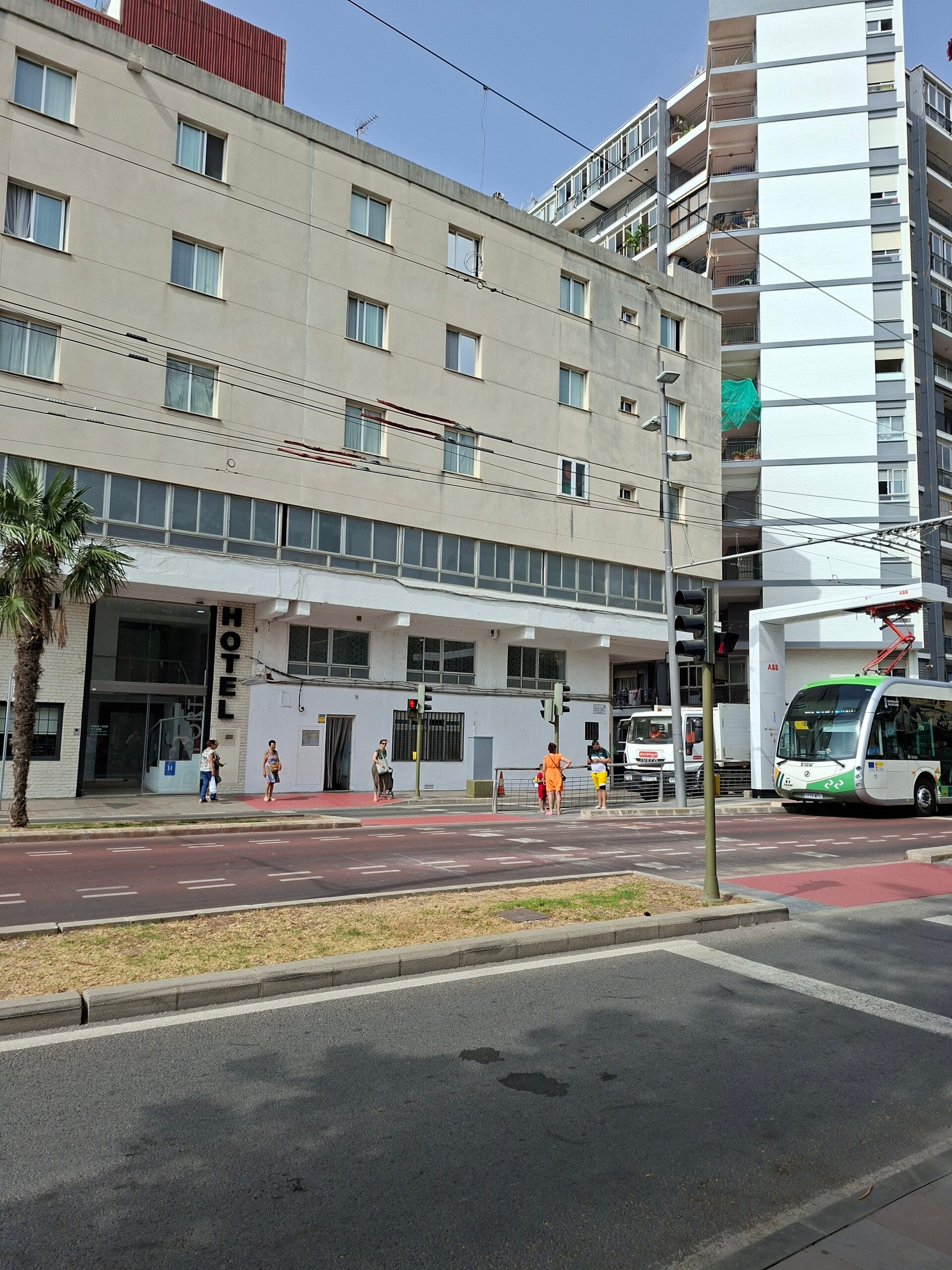
I just visited the area and here are some photos and videos to give you an idea. The hotel has been open for a couple of years and doesn't seem run down.
The hotel is just steps from the marina. The nearest beach is a 15-minute walk away, although you can also go by car or public transport. The bus stop is just 20 meters from the hotel, with a bus every 20 minutes.
What you see at the entrance is the TRAM, a kind of tram that connects the city of Castellón with the maritime district. It's electric, so the noise shouldn't bother you. On weekdays it stops around 11 pm, but on Fridays and Saturdays it stops at 3 am.
The train tracks you saw are not in operation, so you don't need to worry about that. There are no shipyards operating either; the commercial port is nearby, but the noise won't bother you.
In the maritime district, there are well-known seafood restaurants, such as La Marina and La Tasca del Puerto, which, although usually a bit pricey, offer good quality.
If your idea is to enjoy the sea, this can be a pleasant area, and it's well-connected to the rest of the city (it's 4 km away). The tourist office is about 100 meters from the hotel, on Paseo Buenavista.
Keep in mind that in both Castellón and El Grao, all museums are free. In El Grao, you have the Maritime Museum (closed Mondays), the La Marina Cultural Center (closed Sundays), and the Moorish Building, which is only open when there's an exhibition. Castellón also has a variety of cultural offerings, including several museums and other facilities.
I can't give you a negative opinion; it all comes down to personal taste and what you plan to do on your vacation.
Thank you very much.